GlobalFoundries' Growth Makes the Case for a U.S. Photonics Buildout
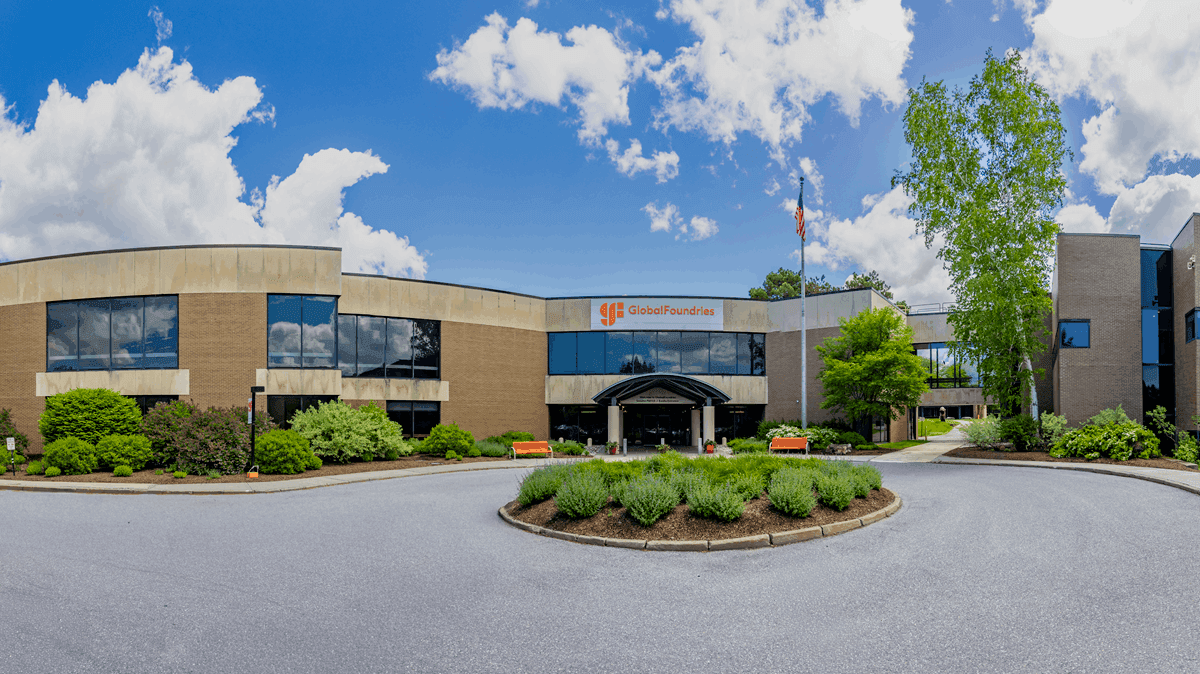
Executive Summary
GlobalFoundries' growth has made a strong case for a U.S. photonics buildout, which could have far-reaching implications for the industry and consumers alike.
📊 Market Strategic Impact
The development of a U.S. photonics industry could have significant benefits for the industry and consumers alike, including the creation of new jobs and the stimulation of local economies.
GlobalFoundries' Growth Makes the Case for a U.S. Photonics Buildout
In a significant development for the tech industry, GlobalFoundries' recent surge in data center growth has transformed the U.S. photonics industry from a subsidy pitch to a crucial component in the AI bottleneck. This shift is a big deal because it highlights the growing importance of photonics in enabling faster and more efficient data transfer, which is essential for the widespread adoption of AI technologies. According to a report by EE Times, GlobalFoundries' growth has made a strong case for a U.S. photonics buildout, which could have far-reaching implications for the industry and consumers alike.
The "Why it Matters" Section
The significance of GlobalFoundries' growth and its impact on the U.S. photonics industry can't be overstated. Photonics is a critical component in enabling faster and more efficient data transfer, which is essential for the widespread adoption of AI technologies. As AI continues to transform industries and revolutionize the way we live and work, the demand for faster and more efficient data transfer will only continue to grow. A U.S. photonics buildout could help meet this demand and ensure that the country remains a leader in the development and deployment of AI technologies. A strong photonics industry could also have significant economic benefits, including the creation of new jobs and the stimulation of local economies. For instance, a study by the National Institute of Standards and Technology found that the U.S. photonics industry could support up to 2 million jobs and generate $1 trillion in economic activity by 2025.
Deep Dive Analysis
The Role of Photonics in AI
Photonics plays a critical role in enabling faster and more efficient data transfer, which is essential for the widespread adoption of AI technologies. As AI continues to transform industries and revolutionize the way we live and work, the demand for faster and more efficient data transfer will only continue to grow. Photonics can help meet this demand by enabling the development of faster and more efficient data transfer systems, such as optical interconnects and silicon photonics. For example, optical interconnects can transfer data at speeds of up to 100 Gbps, which is significantly faster than traditional copper-based interconnects. Additionally, silicon photonics can enable the integration of photonics components onto silicon chips, which can reduce the cost and increase the efficiency of photonics-based systems.
The Benefits of a U.S. Photonics Buildout
A U.S. photonics buildout could have significant benefits for the industry and consumers alike. For one, it could help ensure that the country remains a leader in the development and deployment of AI technologies. Additionally, a strong photonics industry could also have significant economic benefits, including the creation of new jobs and the stimulation of local economies. A U.S. photonics buildout could also help to reduce the country's reliance on foreign-made photonics components, which could be critical for national security and economic stability. According to a report by the Congressional Research Service, the U.S. currently relies on foreign countries for up to 90% of its photonics components, which can create supply chain risks and national security vulnerabilities.
The Challenges of Building a U.S. Photonics Industry
Despite the benefits of a U.S. photonics buildout, there are also significant challenges that must be overcome. For one, building a photonics industry from scratch will require significant investment and resources. Additionally, the industry will need to overcome technical challenges, such as developing new materials and manufacturing processes, in order to produce high-quality photonics components. The industry will also need to address issues related to workforce development and education, as well as regulatory and policy frameworks that support the growth of the industry. For instance, the U.S. will need to develop a workforce with expertise in photonics and AI, which will require significant investment in education and training programs.
Technical Specifications
Some key technical specifications of photonics components include:
Historical Precedents
The development of a U.S. photonics industry is not without historical precedent. In the 1980s, the U.S. semiconductor industry was facing significant challenges from foreign competitors, which led to a coordinated effort from industry, government, and academia to develop a strong and sustainable semiconductor industry. This effort included significant investment in research and development, as well as the development of new manufacturing technologies and processes. Today, the U.S. semiconductor industry is a global leader, with companies like Intel and Micron dominating the market. A similar effort could be made to develop a strong and sustainable photonics industry in the U.S.
Market Context
The market context for photonics components is rapidly evolving, with increasing demand for faster and more efficient data transfer driving growth in the industry. According to a report by MarketsandMarkets, the global photonics market is expected to grow from $522.8 billion in 2020 to $1.1 trillion by 2025, at a compound annual growth rate (CAGR) of 11.1%. The market is driven by increasing demand for photonics components in applications such as data centers, 5G networks, and autonomous vehicles. The U.S. is well-positioned to capitalize on this growth, with a strong ecosystem of companies, research institutions, and government agencies supporting the development of the photonics industry.
The Verdict/Outlook
GlobalFoundries' growth has made a strong case for a U.S. photonics buildout, which could have far-reaching implications for the industry and consumers alike. While there are significant challenges that must be overcome, the benefits of a U.S. photonics buildout are clear. As the demand for faster and more efficient data transfer continues to grow, a strong photonics industry will be critical for enabling the widespread adoption of AI technologies. According to SemiAnalysis, the photonics industry is expected to continue to grow in the coming years, driven by increasing demand for faster and more efficient data transfer. As the industry continues to evolve, it will be critical to address the technical, economic, and regulatory challenges that must be overcome in order to build a strong and sustainable photonics industry.
Key takeaways from this development include:
As noted by IEEE Spectrum, the development of a U.S. photonics industry will require significant investment and resources, as well as a coordinated effort from industry, government, and academia. However, the potential benefits of a U.S. photonics buildout make it an effort worth undertaking, as it could help to ensure that the country remains a leader in the development and deployment of AI technologies. With the right support and investment, the U.S. photonics industry could become a global leader, driving innovation and economic growth for years to come.
Community Sentiment
0 votes · 0 up · 0 down