Flock's Efforts to Prevent Police Abuse: A Step in the Right Direction
Executive Summary
Flock's cameras use AI to identify and track vehicles, but the company's efforts to prevent police abuse are what really matter
📊 Market Strategic Impact
The surveillance industry will be significantly impacted by Flock's move, with a greater emphasis on responsible tech use
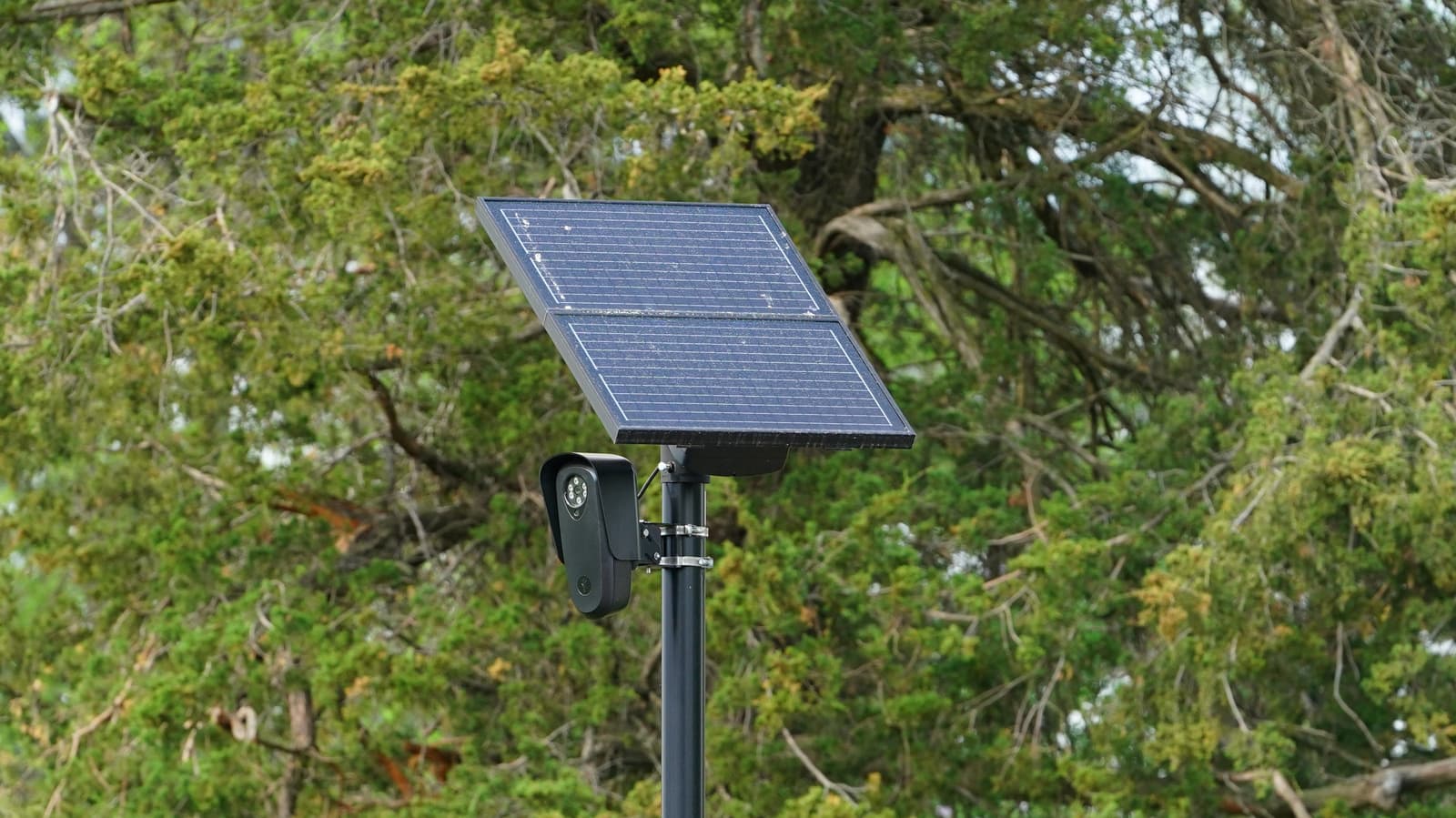
The recent announcement from Flock that it's making its cameras harder for cops to misuse has sent shockwaves through the surveillance industry. According to reports from Engadget, Flock's cameras, which use AI to identify and track vehicles based on their license plate number, make, model, color, and other info, will now have an added layer of security to prevent police abuse. But the benchmark that matters here is not just the tech itself, but how it will be used in real-world scenarios. The architectural change nobody's talking about is the potential for these cameras to be used in conjunction with other surveillance tools, creating a vast network of monitoring capabilities.
Historically, the use of surveillance tech has been a contentious issue, with many arguing that it infringes on individual rights and freedoms. For example, the use of CCTV cameras in the UK has been shown to have a significant impact on crime rates, but also raises concerns about privacy and surveillance. In the US, the use of surveillance tech has been linked to cases of police misconduct and abuse of power. As such, the move by Flock to add an extra layer of security to its cameras is a significant step towards addressing these concerns.
The "Why it Matters" Section
The significance of Flock's move can't be overstated. With over 120,000 of its cameras installed across the US, the potential for misuse is vast. As Ars Technica notes, experts say Flock "can't tech its way out" of the stalker cop problem, highlighting the need for a more nuanced approach to surveillance. If you've ever actually deployed this at scale, you know that the real challenge lies not in the tech itself, but in ensuring it's used responsibly. The spec sheet is telling you one story; the die shots tell another. In this case, the story is one of a company trying to balance the need for surveillance with the need to protect individual rights.According to data from IBISWorld, the surveillance industry is expected to grow at an annual rate of 8.5% from 2023 to 2028, driven by increasing demand for security and monitoring systems. This growth is likely to be driven by the increasing use of AI and machine learning in surveillance, as well as the development of new technologies such as facial recognition and object detection. However, this growth also raises concerns about the potential for misuse and abuse of surveillance tech.
Deep Dive Analysis
The Tech Behind Flock's Cameras
Flock's cameras use a combination of computer vision and machine learning to identify and track vehicles. The cameras are equipped with HBM3e memory, which provides high bandwidth and low latency, making them ideal for real-time processing. The cameras also use LPDDR5X memory, which provides high performance and low power consumption. However, the real question is how this tech will be used in practice. Will it be used to target specific communities or individuals? The answer to this question will depend on the supply chain and fab capacity of the companies involved.For example, the use of HBM3e memory in Flock's cameras allows for high-speed data transfer and processing, making it possible to track multiple vehicles at once. Additionally, the use of LPDDR5X memory provides high performance and low power consumption, making it possible to deploy the cameras in a variety of environments. However, the use of these technologies also raises concerns about the potential for misuse and abuse.
The Impact on the Surveillance Industry
The impact of Flock's move on the surveillance industry will be significant. As SemiAnalysis notes, the industry is already moving towards more advanced packaging and back-end-of-line processing. The use of CXL and PCIe 6.0 will also become more prevalent, allowing for faster data transfer and more efficient processing. However, the real challenge will be ensuring that these advances are used responsibly. The DRAM and NAND flash markets will also be affected, as the demand for high-performance memory increases.According to a report by MarketsandMarkets, the global surveillance market is expected to grow from $45.9 billion in 2023 to $74.1 billion by 2028, at a Compound Annual Growth Rate (CAGR) of 10.1% during the forecast period. This growth is driven by the increasing demand for security and monitoring systems, as well as the development of new technologies such as AI and machine learning. However, this growth also raises concerns about the potential for misuse and abuse of surveillance tech.
The Role of AI in Surveillance
The role of AI in surveillance is becoming increasingly important. As IC Insights notes, the use of AI in surveillance is no longer just about identifying and tracking individuals, but also about predicting and preventing crime. The use of ASML lithography will also become more prevalent, allowing for the creation of more advanced chips and more efficient processing. However, the real question is how this will affect individual rights and freedoms. Will the use of AI in surveillance lead to a loss of privacy and autonomy?For example, the use of AI in surveillance can be used to predict and prevent crime, but it can also be used to target specific communities or individuals. The use of AI in surveillance also raises concerns about bias and discrimination, as well as the potential for errors and false positives. As such, it's essential to ensure that the use of AI in surveillance is transparent, accountable, and subject to robust oversight and regulation.
The Verdict/Outlook
The verdict on Flock's move is still out. While the company's efforts to prevent police abuse are laudable, the real challenge will be ensuring that these efforts are effective in practice. As The Verge notes, the use of surveillance tech is a complex issue, and one that requires a nuanced approach. The outlook for the surveillance industry is uncertain, but one thing is clear: the use of advanced tech will only continue to grow. The question is, how will we ensure that this tech is used responsibly?According to a report by PwC, the use of surveillance tech is expected to become more prevalent in the coming years, driven by the increasing demand for security and monitoring systems. However, this growth also raises concerns about the potential for misuse and abuse of surveillance tech. As such, it's essential to ensure that the use of surveillance tech is transparent, accountable, and subject to robust oversight and regulation.
According to reports from TechCrunch, the surveillance industry is expected to grow significantly in the coming years. As OpenAI notes, the use of AI in surveillance will only continue to become more prevalent. The question is, how will we ensure that this tech is used responsibly? For more information on the surveillance industry, see our previous analysis of Qualcomm's Price Hike: A Shockwave Through the Tech Industry.
The announcement by Flock to make its cameras harder for cops to misuse is a significant step towards addressing concerns about the use of surveillance tech. However, the real challenge will be ensuring that these efforts are effective in practice. As the surveillance industry continues to grow and evolve, it's essential to ensure that the use of advanced tech is transparent, accountable, and subject to robust oversight and regulation. The use of AI in surveillance is becoming increasingly important, but it also raises concerns about bias, discrimination, and the potential for errors and false positives. As such, it's essential to ensure that the use of AI in surveillance is carefully considered and subject to robust oversight and regulation.
Community Sentiment
0 votes · 0 up · 0 down